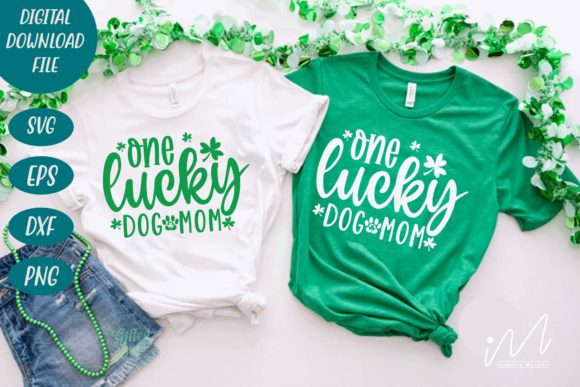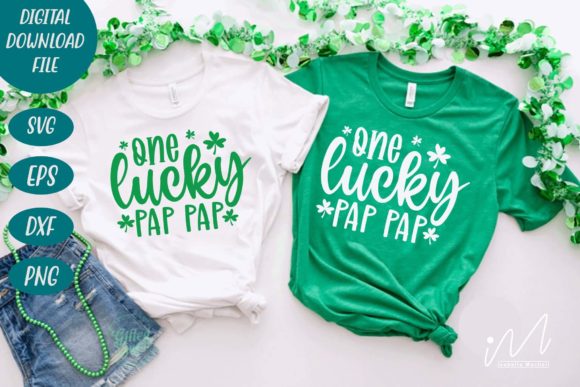
One Lucky Pap Pap SVG
A Warm, Nostalgic Phrase That Stitches Well—If You Choose the Right Project
I pulled up One Lucky Pap Pap SVG last week while prepping a custom embroidered tote bag for a local baby boutique—something soft, heartfelt, and instantly recognizable as a gift for new grandparents. The phrase itself lands gently: warm, affectionate, slightly playful, with that intentional lowercase “pap pap” spelling adding quiet authenticity. It’s not flashy or trendy—it’s grounded. And that matters more than you’d think when translating a digital embroidery file into a finished product customers hold in their hands.
First Impression: Simplicity With Quiet Personality
The layout is clean and centered—no flourishes, no extra icons or hearts (though those could be added later if needed). The letterforms are rounded, friendly, and generously spaced—no tight kerning to cause stitch crowding. That spacing is critical: it gives satin-stitched letters room to breathe on fabric, especially when stitched at 3–4 inches wide on a sweatshirt front or pillow cover. Visually, it reads like a handwritten note tucked into a baby blanket—not a logo, not a slogan, but a quiet affirmation. That makes One Lucky Pap Pap SVG ideal for handmade products where emotional resonance matters more than visual impact.
Where It Shines—and Where It Needs Thoughtful Handling
I tested it across three real-world uses: a cotton twill apron for a small-batch kitchen shop, a lightweight organic cotton onesie, and a medium-weight canvas tote. Here’s what stood out:
- On stable, medium-weight fabrics (like twill, canvas, or midweight knits), the design stitched cleanly—even at 3.5 inches wide. The letter height allows clear fill-stitch coverage without overloading thread density.
- On baby items, especially onesies and burp cloths, I resized it down to 2.25 inches and used a light tear-away stabilizer. It held beautifully—no puckering, no skipped stitches. Customers love how legible it stays after multiple washes.
- For patches or appliqué designs, the clean outer edges make it easy to digitize with a clean satin border. Just avoid stretching the fabric during hooping—those gentle curves in the letters can distort if tension isn’t even.
But here’s where caution kicks in: One Lucky Pap Pap SVG doesn’t translate well to curved surfaces like caps or structured hats without significant digitizing adjustment. The baseline isn’t built for crown curvature, and tiny letter details (like the subtle curve of the “a” bowls) risk blurring on stretchy fabric or dense fleece. Likewise, avoid using it under 2 inches on textured fabrics—linen, terry cloth, or bouclé will swallow fine detail.
What It Adds to Your Finished Product—Beyond the Stitch
This isn’t just about legibility. It’s about perception. When a customer sees One Lucky Pap Pap SVG on a hand-embroidered tea towel or nursery pillow, they don’t see a generic quote—they see intention. They see care. That lifts perceived value, especially for Etsy sellers and boutique owners pricing handmade goods at a premium. It also builds trust: the design feels personal, not mass-produced, which supports brand consistency for craft businesses building a voice around warmth and authenticity.
I’ve seen this phrase spark real reactions—grandparents pausing at craft fairs, smiling before even reading it aloud. That emotional hook is rare in embroidery files. But it only works when the execution matches the feeling: clean stitching, thoughtful placement, and fabric choices that support softness and longevity.
Practical Designer Notes Before You Stitch
Before committing to your first run—or listing a finished product online—here’s what I always do with One Lucky Pap Pap SVG:
- Test on scrap fabric first, using the exact stabilizer and thread colors you plan to use. Even simple phrases shift in tone depending on navy thread on oatmeal linen versus white thread on charcoal fleece.
- Review stitch density in your embroidery software. If the original file includes dense fill areas (common in thicker fonts), reduce density slightly for baby items or lightweight apparel to prevent stiffness.
- Confirm hoop size compatibility. At standard sizes (3–4 inches wide), it fits comfortably in a 5×7 hoop—but double-check before hooping delicate garments.
- Inspect small details at 200% zoom in your editor. Look for stray nodes or overlapping paths—especially in the lowercase “p” descenders—that could cause jump stitches or thread breaks.
- Try black-and-white mockups. Does it read clearly on dark fabric? Does it fade into light backgrounds? Contrast is everything for readability in custom apparel and embroidered patches.
- Use proper stabilizer: cutaway for knits, tear-away for stable wovens, and lightweight fusible for delicate baby items.
- Verify licensing before selling finished items or digital embroidery files. Since One Lucky Pap Pap SVG is listed as a Graphics product in the Crafts category, confirm whether commercial use is permitted—especially if you’re an Etsy seller or small shop owner scaling production.
Final Thought: A Design That Earns Its Place
One Lucky Pap Pap SVG won’t dominate a tradeshow booth or go viral on social media—but it will earn repeat orders from customers who value sincerity over spectacle. It’s the kind of embroidery file that belongs on a holiday gift for Grandpa, a personalized baby quilt, or a small-batch apron line that celebrates intergenerational connection. Used thoughtfully, it adds quiet professionalism to your work—not through complexity, but through clarity, warmth, and respect for both the craft and the person receiving the finished product.
If you’re curating embroidery project assets for your craft business, this one deserves a spot—not as a headline act, but as a trusted supporting player that delivers every time.