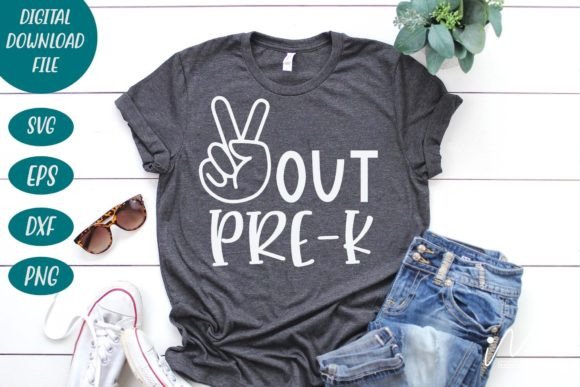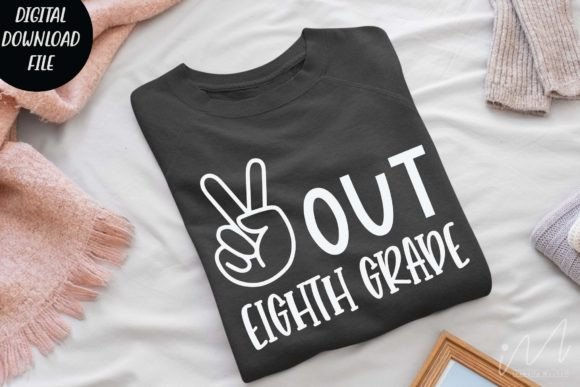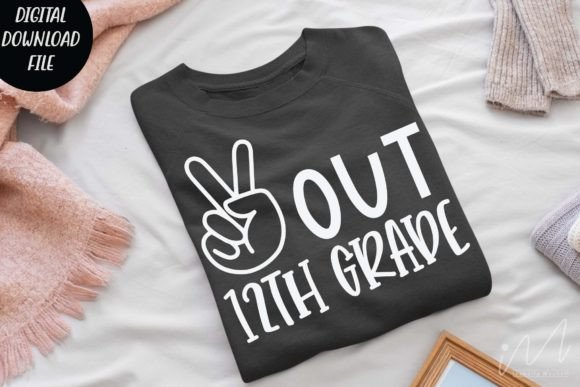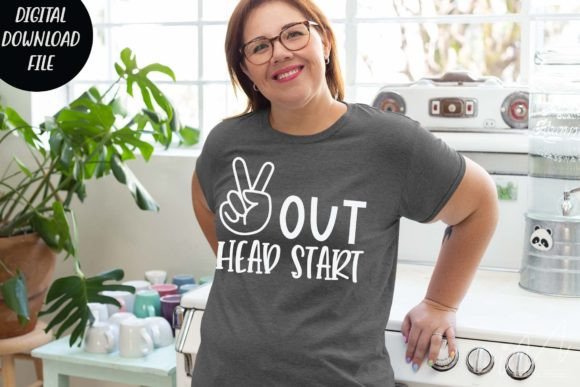
Peace out Head Start SVG
A Designer’s First Look: Playful, Punchy, and Purposefully Casual
When I opened Peace out Head Start SVG, my first thought wasn’t “cute” or “trendy”—it was “this feels like a real person saying something real.” The phrase sits cleanly in a balanced, slightly rounded layout—no excessive flourishes, no forced whimsy. It reads quickly, with clear letter spacing and a relaxed rhythm that leans into its own laid-back vibe. As a designer who’s stitched hundreds of quotes for clients—from boutique baby onesies to festival merch—I immediately pictured it on a soft cotton tote bag, embroidered in heather grey thread on oatmeal canvas. Not flashy. Not fussy. Just quietly confident.
Where This Design Earns Its Keep (and Where It Doesn’t)
Peace out Head Start SVG shines brightest where authenticity matters more than polish: small-batch apparel, handmade nursery items, teacher appreciation gifts, or casual kitchen textiles like tea towels and aprons. I tested it as a sweatshirt embroidery file on a midweight French terry hoodie—hoop size 4x4"—and the result held up beautifully. The letterforms are generous enough to avoid stitching ambiguity, and the overall width fits comfortably within standard hoop limits without crowding corners or distorting curves.
It’s also a strong candidate for embroidered patches—especially when backed with lightweight fusible stabilizer and stitched with a satin stitch border. The phrase’s even weight distribution means fill stitches lay flat, minimizing puckering on woven fabrics like twill or denim. For Etsy sellers listing personalized gifts, this design adds instant charm to baby blankets, toddler backpacks, or “first day of preschool” caps—without demanding premium pricing or complex digitizing.
But—and this is critical—it’s not built for every surface. On highly textured fabrics like bouclé or thick terry cloth, fine interior details (like subtle kerning gaps between letters) can blur under dense fill stitch. And while the SVG allows resizing, shrinking it below 3 inches wide risks losing legibility in machine embroidery—especially on stretchy knits or thin jersey. I wouldn’t recommend it for curved cap fronts without testing stitch pull and re-hooping alignment first. Likewise, dark fabric backgrounds demand careful thread color contrast checks; light grey or cream thread may vanish on charcoal unless you add an underlay or switch to white.
Real-World Impact: How It Shapes Perception and Value
What makes Peace out Head Start SVG work beyond technical execution is its emotional resonance. In craft business settings, phrases like this signal warmth and intention—not just decoration. A customer buying a custom embroidered pillow cover with this design isn’t just purchasing home decor; they’re choosing a lighthearted nod to growth, transition, or gentle celebration. That subtext elevates perceived value, especially for handmade product listings where storytelling drives buyer engagement.
For small shop owners and digital product sellers, this design fits seamlessly into cohesive collections: pair it with minimalist icons (a tiny graduation cap, a sprouting seedling) or coordinate it with neutral-toned printable mockups for social media previews. Its clean vector foundation—SVG, DXF, EPS, PNG—means it adapts well to both embroidery digitizing and print-on-demand workflows, making it versatile across Crafts and Graphics use cases.
Practical Notes Every Embroidery Designer Should Run Through
- Always test on scrap fabric first—especially if pairing with textured or stretchy materials. Note how the letter spacing holds up after washing.
- Review stitch density before finalizing. Dense fills may overwhelm lightweight fabrics; consider reducing density by 10–15% for baby clothes or delicate linens.
- Confirm hoop size compatibility with your machine and intended project. While the SVG scales freely, embroidery files derived from it must respect physical hoop constraints.
- Inspect small details at actual stitch size. Zoom in on individual letters in your embroidery software—look for overlapping nodes or tight corners that could cause thread breaks.
- Test black-and-white mockups to assess contrast and balance. If it reads clearly in grayscale, it’ll translate reliably across thread colors and fabric tones.
- Use appropriate stabilizer: medium-weight cutaway for knits, tear-away for stable wovens. Skip lightweight stabilizers on heavy fills—they won’t hold.
- Verify licensing terms before selling finished embroidered goods or reselling the digital embroidery file. This design is delivered as SVG, DXF, EPS, and PNG—confirm whether commercial use is permitted for your specific application.
Final Thought: A Quietly Confident Choice for Real Projects
Peace out Head Start SVG won’t win awards for complexity—but it doesn’t need to. Its strength lies in clarity, context, and quiet confidence. It works because it respects the craft: it’s sized right, spaced right, and styled right for real-world embroidery projects—from a teacher’s personalized tote bag to a boutique’s limited-run holiday collection. It invites collaboration rather than complication. And in a market flooded with overdesigned, overdigitized assets, that kind of thoughtful restraint is rare. Use it where sincerity matters most. Stitch it where joy lives in the everyday.